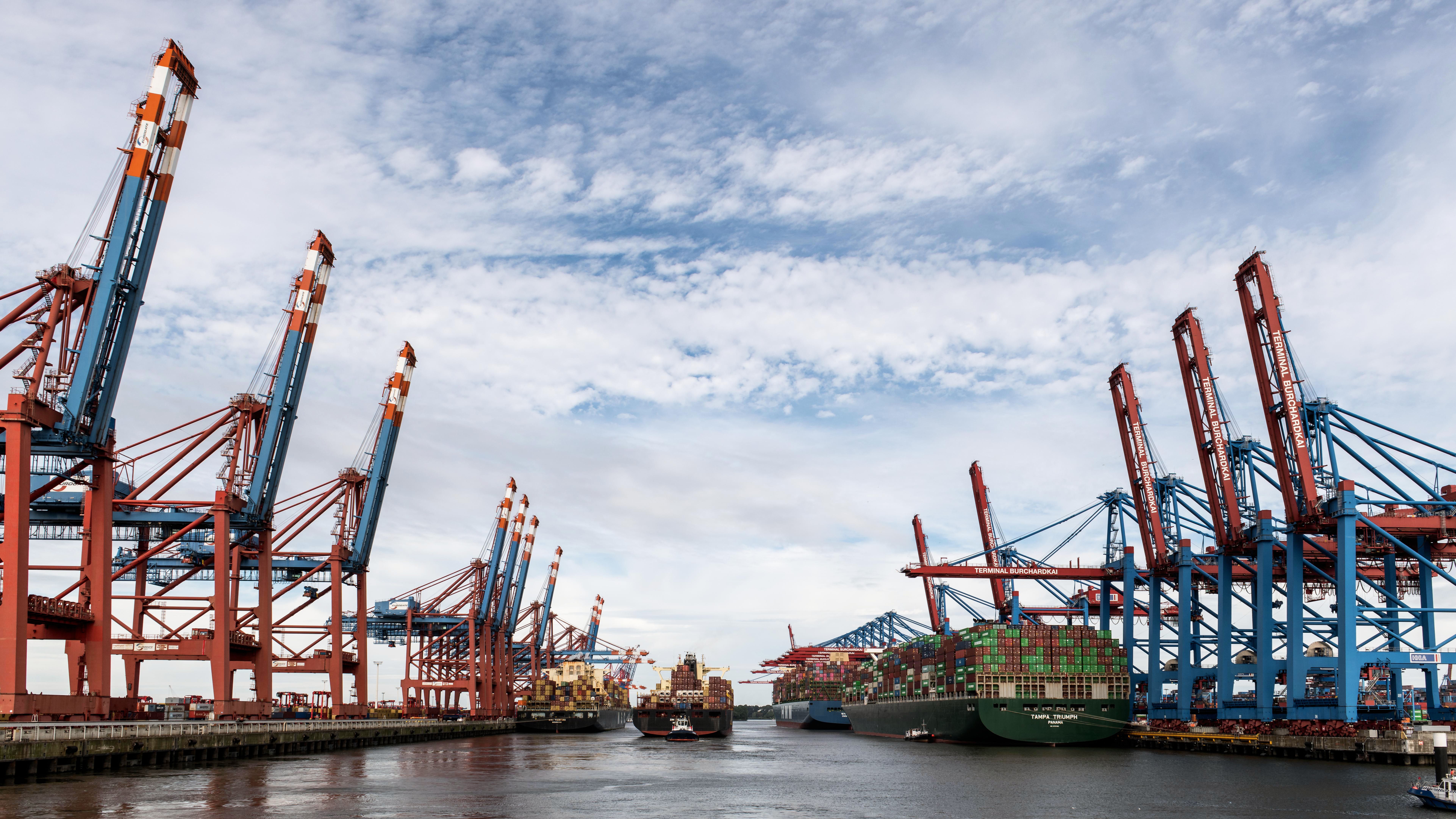
Economists expect high inflation to persist into 2027 as energy costs rise
Reuters poll finds inflation forecasts raised for 31 of 50 economies, with oil prices above $100 a barrel since October
Reuters poll finds inflation forecasts raised for 31 of 50 economies, with oil prices above $100 a barrel since October
High inflation is expected to continue across much of the global economy into 2027, according to a Reuters poll of economists conducted in October. The survey found that inflation forecasts for the coming year were raised in 31 of the 50 economies covered, including 15 of 21 developed economies, as energy costs remain elevated and price pressures spread.
The Reuters poll also indicated that growth projections were increased for 23 economies, suggesting that persistent inflation could coincide with stronger economic activity than previously anticipated. This marks a shift from earlier Reuters surveys in April and July, which had depicted a scenario of high inflation alongside weaker growth.
Investment in artificial intelligence (AI) and unexpectedly robust activity in several regions have contributed to economic resilience, even as households continue to face challenges from the rising cost of living. This resilience, however, has raised concerns among some economists that inflationary pressures may be more difficult to contain than previously thought.
“I am getting much more concerned about inflation again,” Janet Henry, global chief economist at HSBC, told Reuters. She added that the longer the conflict in the Middle East continues and escalates, and as price pressures become more widespread, the greater the likelihood that inflation will stay elevated for an extended period.
Oil prices have been a significant driver of inflationary pressure. Crude oil has remained above $100 a barrel since 7 October and climbed above $117 last week, reaching a six-month high. According to the report, oil prices have increased by more than 60% since the war with Iran began nearly eight months ago.
The findings highlight the ongoing impact of geopolitical conflicts on global energy markets and inflation trends. As the situation develops, economists and policymakers will continue to monitor the interplay between energy costs, economic growth, and inflation expectations.
Ras Al Khaimah weekend activities include beach drives and Thai cooking classes

Dubai Access Club offers exclusive travel benefits with five-year visa
US Federal Reserve holds interest rates steady at 3.75%-4.00%

Ras Al Khaimah launches self-driving vehicle testing hub and expands RoboTaxi trials

UAE Central Bank fines foreign bank branch Dh200 million

Ras Al Khaimah Police issue camping safety guidelines as winter season begins

AI agents enable entrepreneurs to run million-dollar companies solo

UAE school winter break dates for 2026–2027 announced
Hackers exploit security flaws in iPhones and Androids via compromised websites
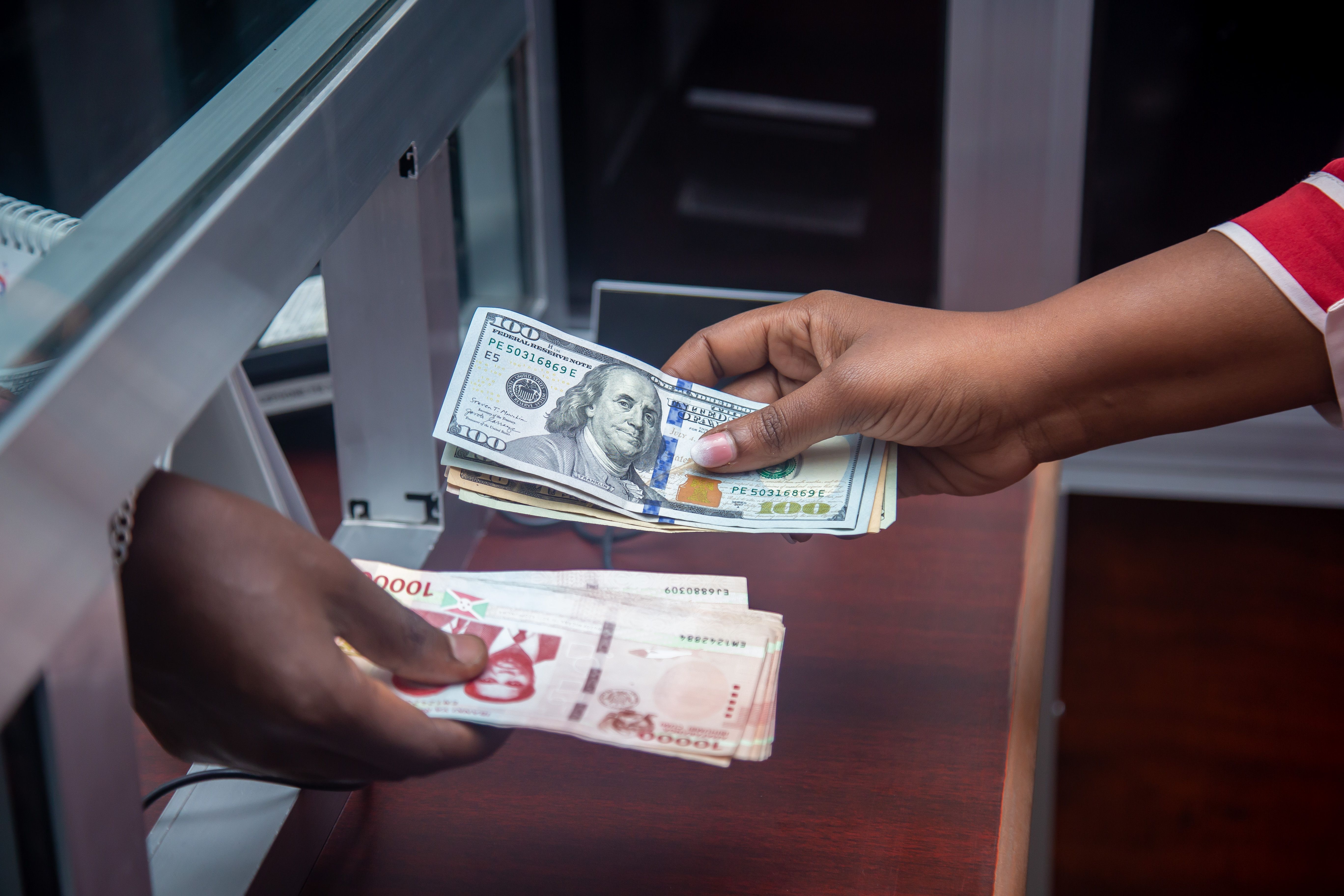
UAE expats benefit as Asian currencies remain weak

Ras Al Khaimah set to attempt world record with six-kilometre New Year’s fireworks
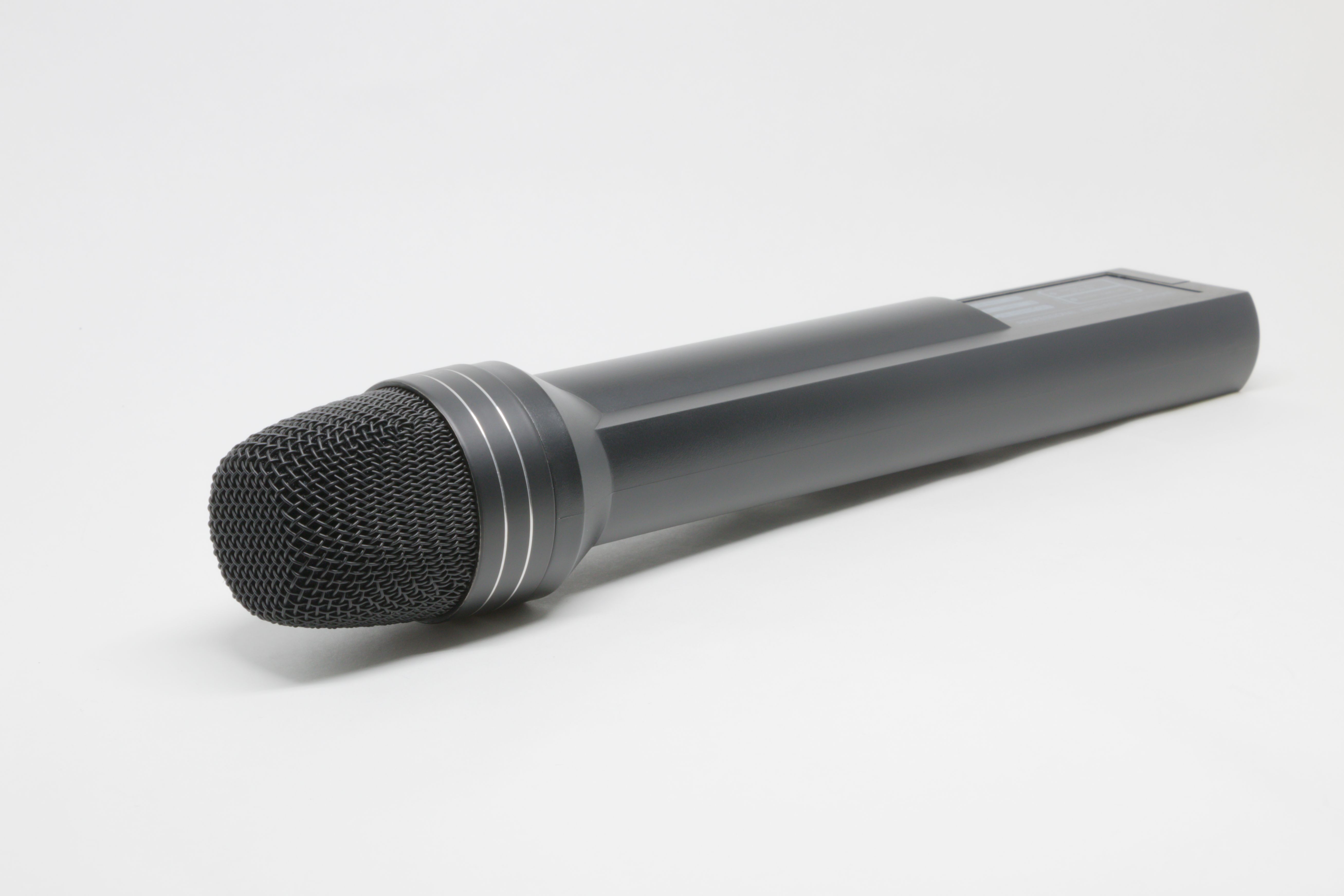
Insta360 introduces expandable storage for new e-ink wireless microphones

President Sheikh Mohamed meets Ruler of Ras Al Khaimah in Abu Dhabi to discuss UAE goals
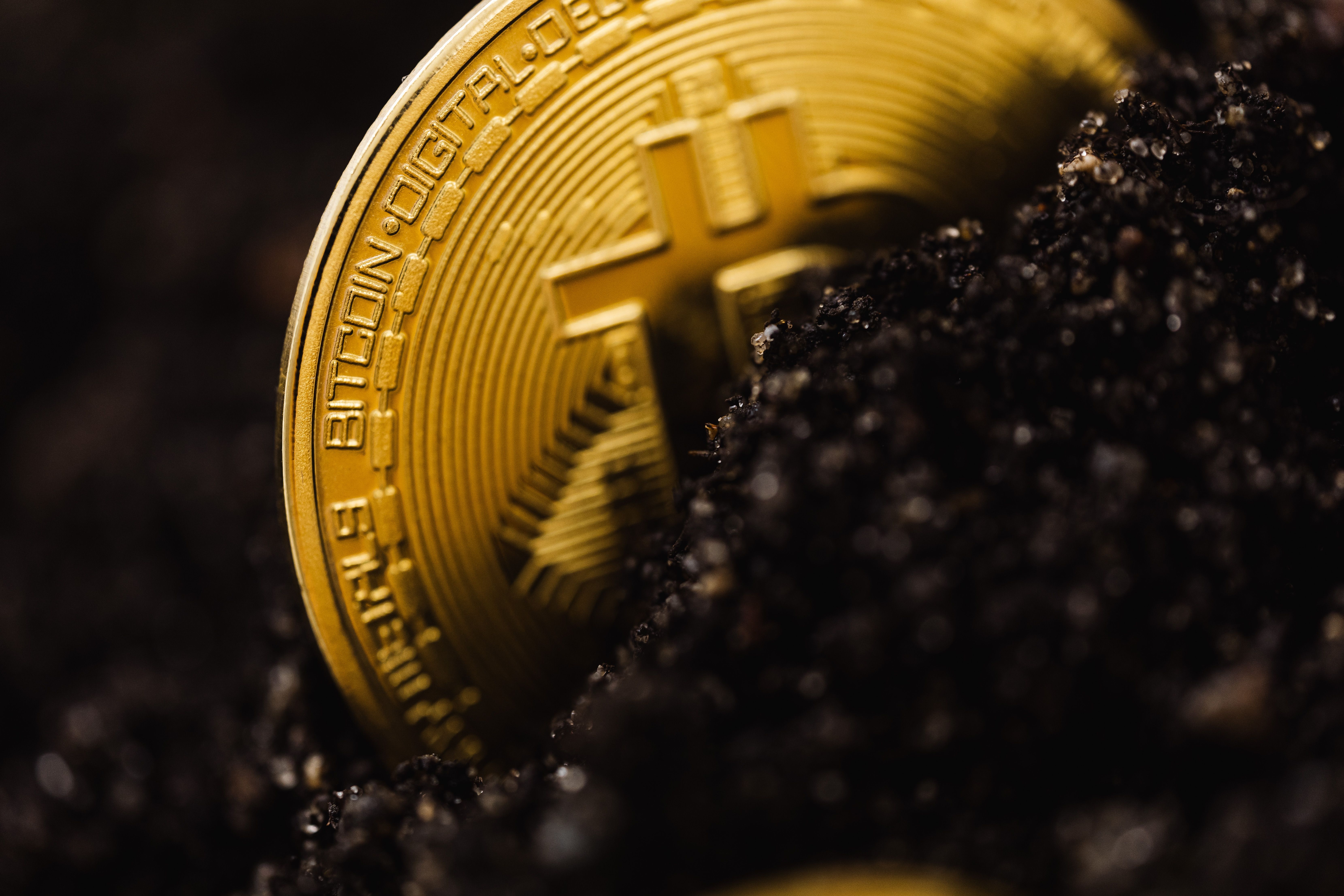
Oman enforces ban on unlicensed crypto mining equipment sales

Apple’s foldable iPhone Duo now available in the UAE

Instagram tests longer videos to compete with YouTube

Emirates NBD achieves Dh6.4 billion profit in Q3 2026

Bank of Italy urges banks to invest in digital assets amid uncertainty

Next-generation hair restoration treatments emerge in Dubai