Abu Dhabi to boost local medicine production, aiming for global hub status
Plans include increasing local manufacturing, forming international partnerships, and expanding exports over the next decade.
Plans include increasing local manufacturing, forming international partnerships, and expanding exports over the next decade.
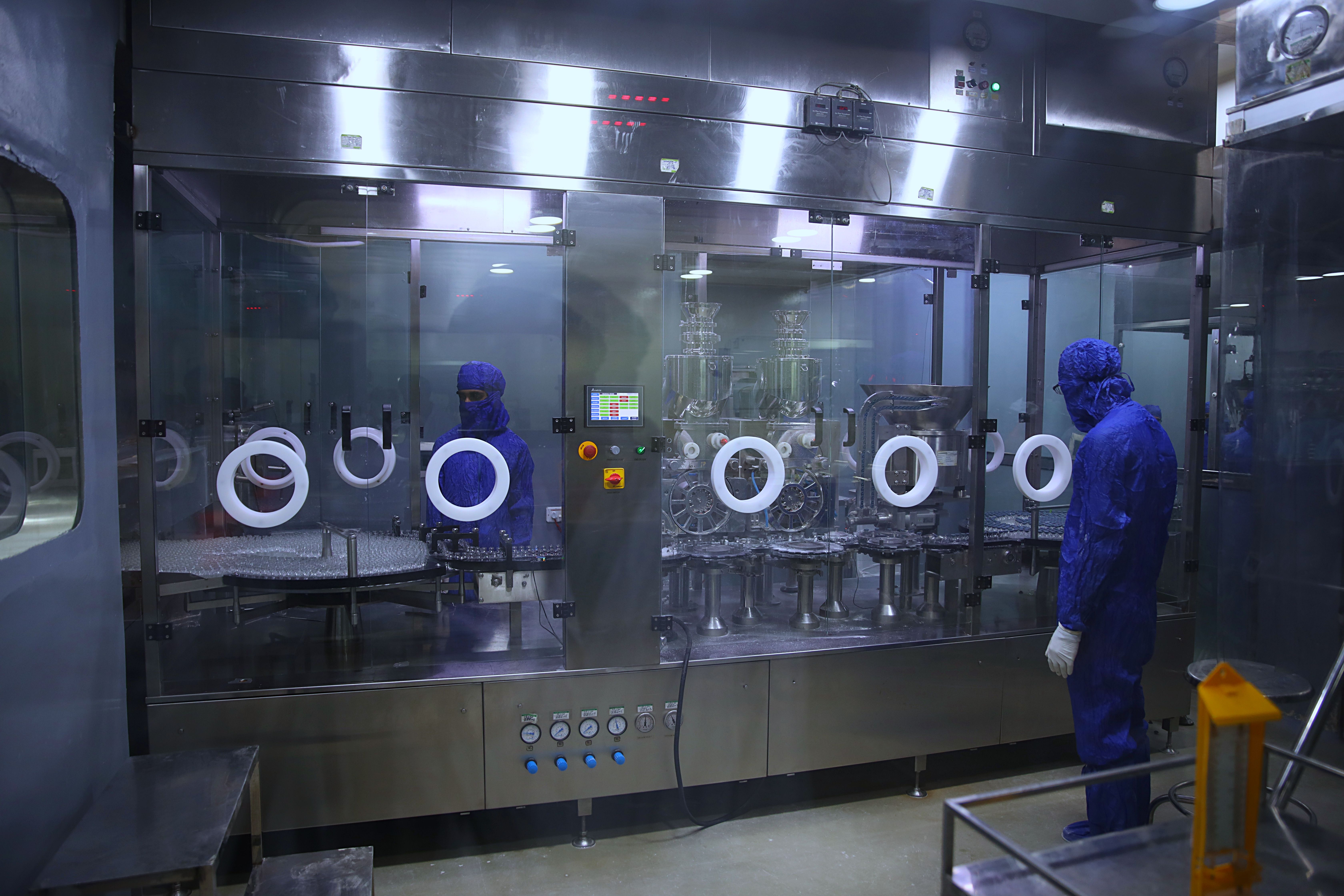
Abu Dhabi is set to enhance its pharmaceutical manufacturing capabilities, aiming to become a global hub for medicine production. The initiative involves increasing local production, attracting international companies, and expanding exports within the next ten years, according to Dr Fokion Sinis, CEO of ADCAN Pharma, who spoke to Gulf News.
Dr Sinis emphasized that local production of medicines would strengthen the UAE’s healthcare system and reduce reliance on international supply chains, a vulnerability highlighted during the COVID-19 pandemic. “Local manufacturing has moved to the centre of the UAE’s healthcare strategy,” he stated.
ADCAN Pharma operates the UAE’s only facility specializing in oncology and hormone medicines, focusing on high-potency oral treatments. The company has partnered with international pharmaceutical firms such as ELPEN, Lotus, and Pinnacle, and collaborates with M42 to produce cancer medicines for export.
Artificial intelligence and automation are expected to play a crucial role in improving pharmaceutical manufacturing. AI can enhance equipment monitoring, early problem detection, and quality control. Dr Sinis also mentioned the Emirati Genome Programme, which could lead to more personalized treatments by integrating genetic data with AI.
ADCAN recently partnered with MS Pharma to produce biosimilars locally, potentially reducing healthcare costs and improving access to treatments for cancer and chronic diseases. Collaborations with universities like Khalifa University aim to train Emirati scientists and engineers.
Looking ahead, Dr Sinis anticipates that Abu Dhabi’s pharmaceutical industry will expand beyond the local market to become a major exporter. ADCAN is working towards obtaining European Union Good Manufacturing Practice certification by 2027, which would facilitate entry into additional international markets.
Dr Sinis highlighted the importance of faster medicine registration procedures, support for locally manufactured products, and continued investment. He noted that expanding pharmaceutical manufacturing would create specialized jobs for Emiratis and enhance medicine availability, contributing to a more resilient healthcare system.
Ras Al Khaimah weekend activities include beach drives and Thai cooking classes

Dubai Access Club offers exclusive travel benefits with five-year visa

US Federal Reserve holds interest rates steady at 3.75%-4.00%

Ras Al Khaimah launches self-driving vehicle testing hub and expands RoboTaxi trials

UAE Central Bank fines foreign bank branch Dh200 million

Ras Al Khaimah Police issue camping safety guidelines as winter season begins

AI agents enable entrepreneurs to run million-dollar companies solo
UAE school winter break dates for 2026–2027 announced

Hackers exploit security flaws in iPhones and Androids via compromised websites

UAE expats benefit as Asian currencies remain weak

Ras Al Khaimah set to attempt world record with six-kilometre New Year’s fireworks
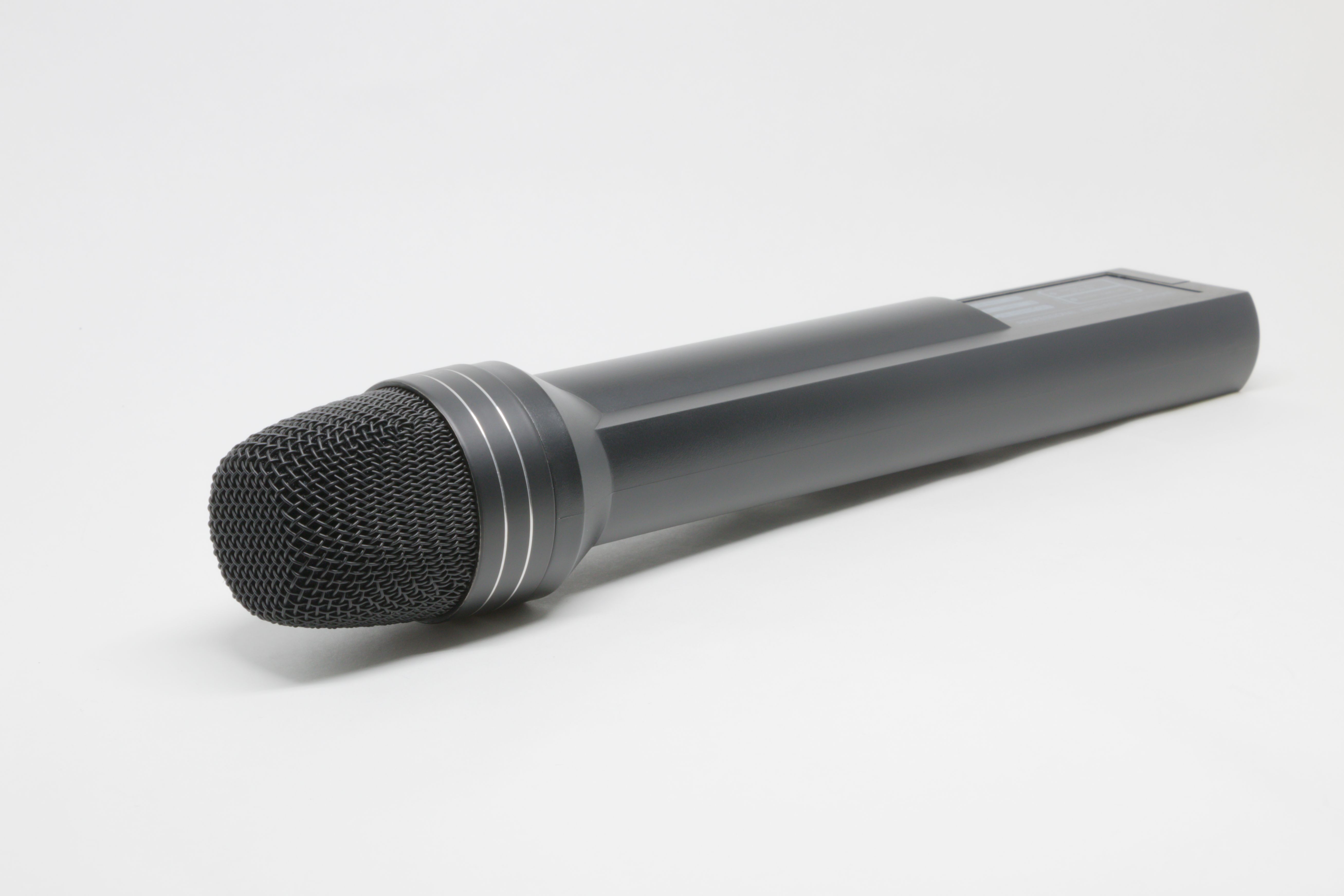
Insta360 introduces expandable storage for new e-ink wireless microphones
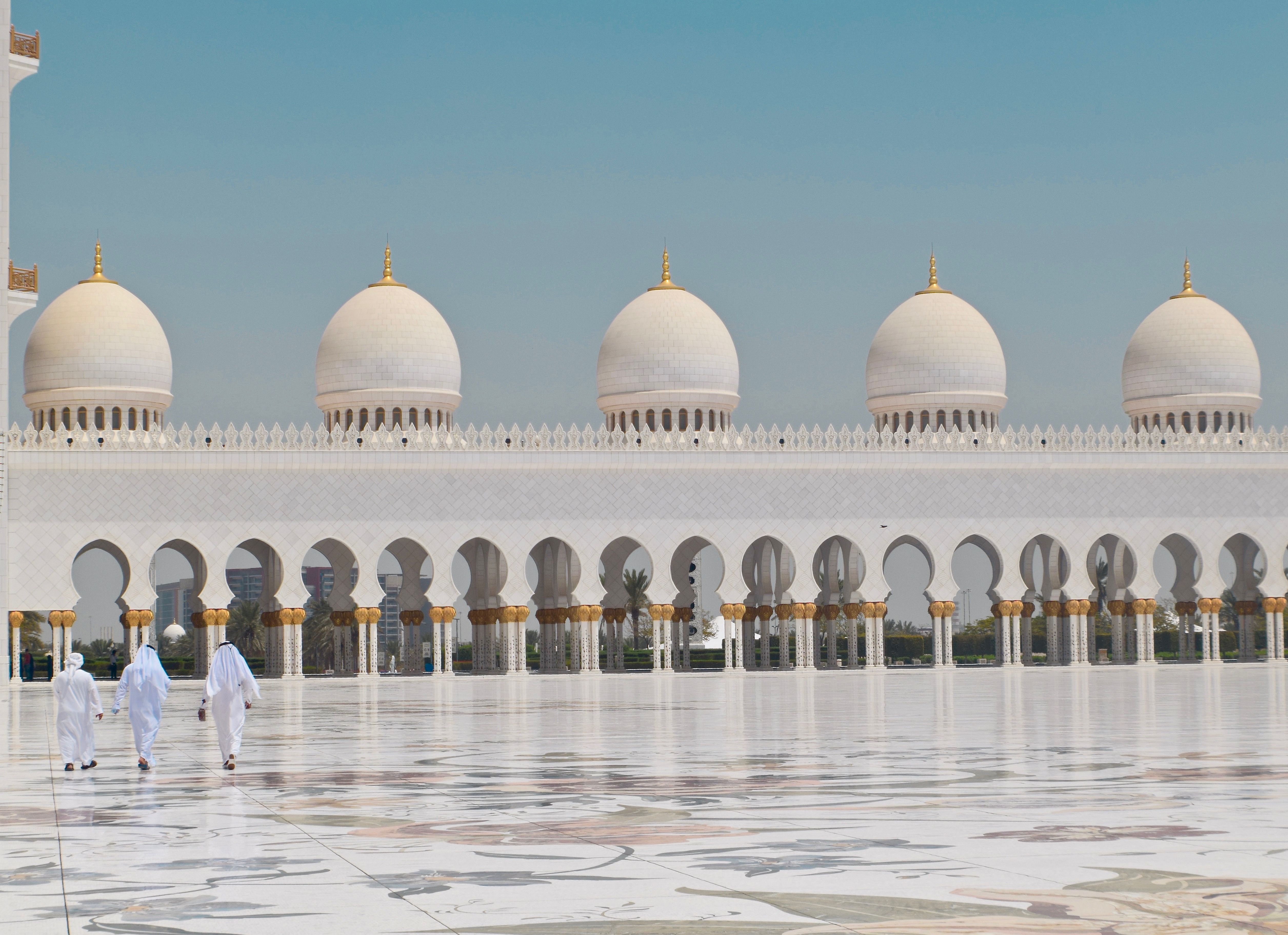
President Sheikh Mohamed meets Ruler of Ras Al Khaimah in Abu Dhabi to discuss UAE goals

Oman enforces ban on unlicensed crypto mining equipment sales

Apple’s foldable iPhone Duo now available in the UAE

Instagram tests longer videos to compete with YouTube

Emirates NBD achieves Dh6.4 billion profit in Q3 2026

Bank of Italy urges banks to invest in digital assets amid uncertainty
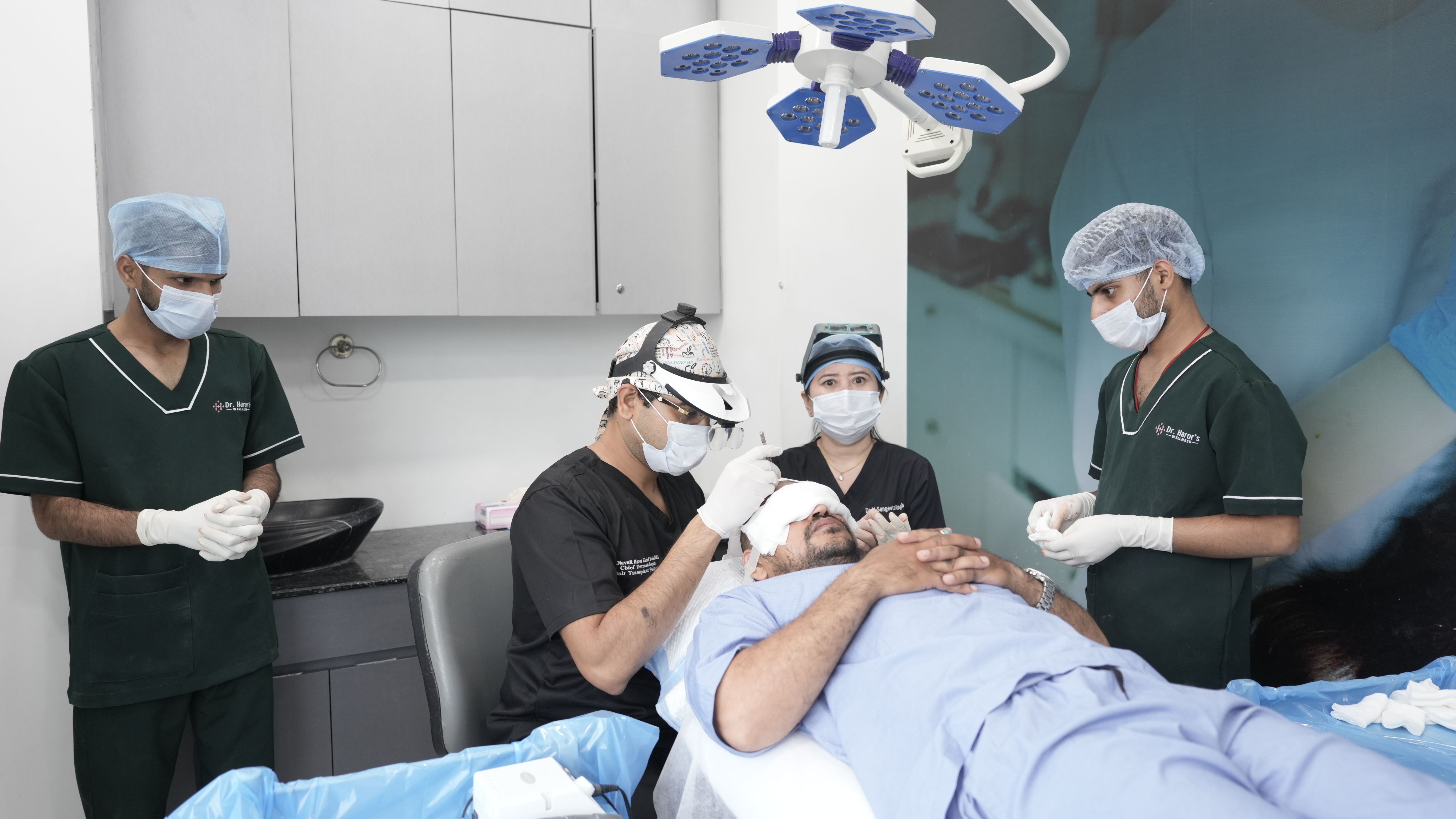
Next-generation hair restoration treatments emerge in Dubai